
Hanuman Chalisa

Devotional Songs
Hanuman Chalisa
|

Shiv Ji Bhajan
|

Shri Ram Stuti
|

Krishna Bhajan
|

Ganesh Aarti
|

Durga Aarti
|

Sai Baba Bhajan
|

Vishnu Aarti
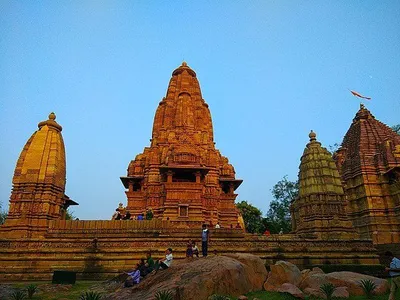
Foundation Year: 885 - 1150
Architecture: Nagara
The Khajuraho Group of Monuments are a group of Jain temples and Hindu temples in Chhatarpur district, Madhya Pradesh, India, about 175 kilometres southeast of Jhansi. They are a UNESCO World Heritage Site.Most Khajuraho temples were built between 885 AD and 1050 AD by the Chandela dynasty.It was the golden period of Chandella rulers. It is presumed that it was every Chandella ruler has built atleast one temple in his lifetime. So all Khajuraho Temples are not constructed by any single Chandella ruler but Temple building was a tradition of Chandella rulers and followed by almost all rulers of Chandela dynasty.The first recorded mention of the Khajuraho temples is in the accounts of Abu Rihan al Biruni in AD 1022 and the Arab traveler Ibn Battuta in AD 1335. Local tradition lists 85 temples in Khajuraho out of which only 25 temples are surviving after various stages of preservation and care. All these temples are scattered over an area of about 9 square miles.After fall of Chandella dynasty (after AD 1150), Khajuraho Temples suffered destruction & disfigurement by muslim invaders in this area which forced local people to leave Khajuraho.As muslim invaders had a ruling policy of intolerance for worship places of other religions so all the citizens of Khajuraho left the town with a hope that its solitude will not attract attention of muslim invaders into the temple area and in this way both temple and they themselves will remain unhurt. So from about 13th century to 18th century, Khajuraho temples remain in forest cover, away from popularity till it was re-discovered by British engineer T. S. Burt.
Khajuraho temples are like almost all Hindu temple designs; follow a grid geometrical design called vastu-purusha-mandala. This design plan has three important components u00e2u20acu201c Mandala means circle, Purusha is universal essence at the core of Hindu tradition, while Vastu means the dwelling structure. The circle of mandala circumscribes the square. The square is considered divine for its perfection and as a symbolic product of knowledge and human thought, while circle is considered earthly, human and observed in everyday life (moon, sun, horizon, water drop, and rainbow). Each supports the other. The square is divided into perfect 64 sub-squares called padas. Most Khajuraho temples deploy the 8x8 (64) padas grid Manduka Vastupurushamandala, with pitha mandala the square grid incorporated in the design of the spires. The primary deity or lingas are located in the grid's Brahma padas or in the Garbha Griha. Khajuraho temples use the 8x8 (64) Vastupurusamandala Manduka grid layout plan (left) found in almost all the Hindu Temples. Above the temple's brahma padas is a Sikhara (Vimana or Spire) that rises symmetrically above the Garbh Griha, typically in a circles and turning-squares concentric layering design (right) that flows from one to the other as it rises towards the sky.Amalaka is a stone disk with ridges on the rim that is on top of the temple's main tower. It is crowned with a kalasha from which a temple banner is hung. Ardhamandapa is the entrance porch that forms a transitional area between the Mandapa and outside world. Mandapa is a hall in the temple, forming a transitional space between the Mahamandapa and Ardhamandapa. Mahamandapa is the temple's main entrance-hall, separated from the garbhagriha by an antarala. At Khajuraho, a mahamandapa is indiacted by the bumped-out portions which are perpendicular to the temple's main axis. Antarala is a transitional space between a temple's main hall and the inner sanctum. The exterior panels on these elements are the primary sites for large panels with erotic sculptures. Garbagirha is the temple's inner sanctum that contains the image of the temple's primary deity.
Begin your spiritual adventure visiting these related temples
Shri Ram Aashram, Shamshan Ghaat. Naharpur
Yamuna Nagar, Haryana

Bhuddh Mandir
Pathakhera, Madhya Pradesh
Ram no choro
Chela, Gujarat
Devi Mandir
Sohna, Haryana
Anna Purna Temple
Chorangabehar, Uttar Pradesh
Ramdev Madhuli Baradiya
Baradiya, Gujarat
Discover the Spiritual Tapestry of Related Deities
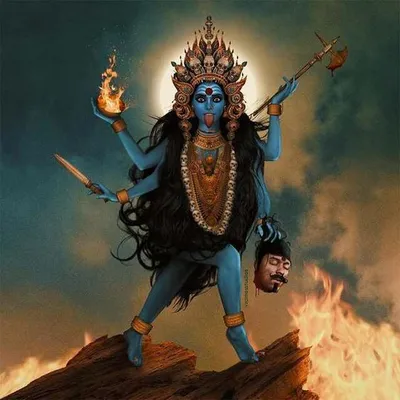
Kali
Kali | Hindu Goddess of Time, Change & Empowerment

Saptamatrika
Saptamatrika | Goddesses, Hinduism, Worship
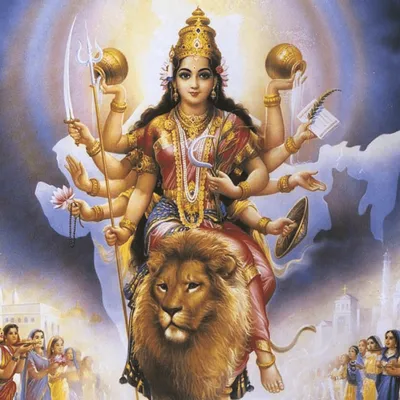
Parvati
Parvati | Shakti, Shiva’s Consort & Mother Goddess
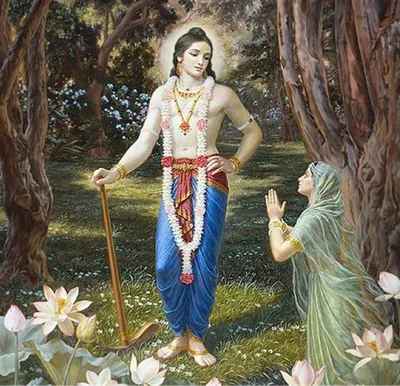
Balarama
Balarama | Avatar, Brother & Warrior
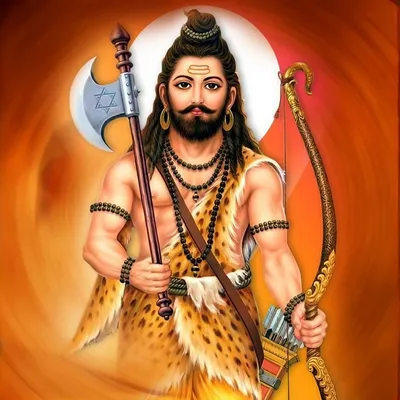
Parashurama
Parashurama | Axe-wielding Warrior, Avatar, Brahmin
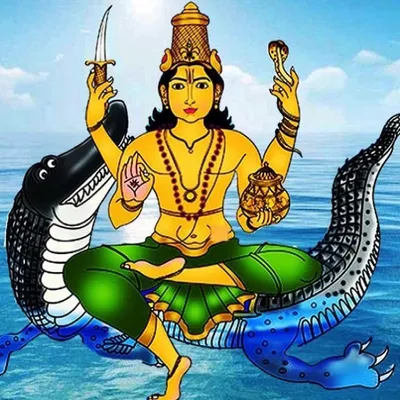
Varuna
Varuna | Vedic God, Hinduism, Sky God
Explore related bhajans with lyrics, videos and music
Dar Pe Tumhare Saware
Dar Pe Tumhare Sanware,Sar Ko Jhuka Diya,Mainne Tumhari Yaad Mein,Khud Ko Mita Diya,Dar Pe Tumhare Sanware,Sar Ko Jhuka

Dev Hai Ye Bhole Bhakto Ka Khud Bhi Bhola Bhala
Dev Hai Ye Bhole Bhakto Ka,Khud Bhi Bhola Bhala,Mera Damru Bala,Mera Damru Bala,Shamashanon Mein Bhuto Ke Sang, Isne Der
Ram Ke Rang Mein Ranga Hua Hai Anjani Sut Bajrangbala
Ram Ke Rang Main Ranga Hau Hai,Anjanisut Bajrang Bala,Asa Lagata Chalak Raha Hai,Jese Bhakti Ka Pyala,Ram Ke Rang Main R

Man Ki Tarang Mar Lo Bas Ho Gaya Bhajan
Man Ki Tarang Mar Lo, Bas Ho Gaya Bhajan ।Aadat Buri Sanwar Lo, Bas Ho Gaya Bhajan ॥Aaye Ho Tum Kahan Se, Jaoge Tum Kaha

Sab Dhamo Se Dham Nirala Shri Vrindavan Dham
Sab Dhamon Se Dham Nirala,Shri Vrindavan Dham,Kunj Nikunj Mein Jahan Viraje,Pyare Shyama Shyam,Mera Vrindavan Pyara,Mera

Guru Nanak Aarti
Gagan Me Thalu Ravi Chandu DeepakBane Tarika Mandal Janak Moti ॥Dhupmal Aanlo Pavnu Chavro KareSagal Banrai Phulant Joti